


Mould in Winter
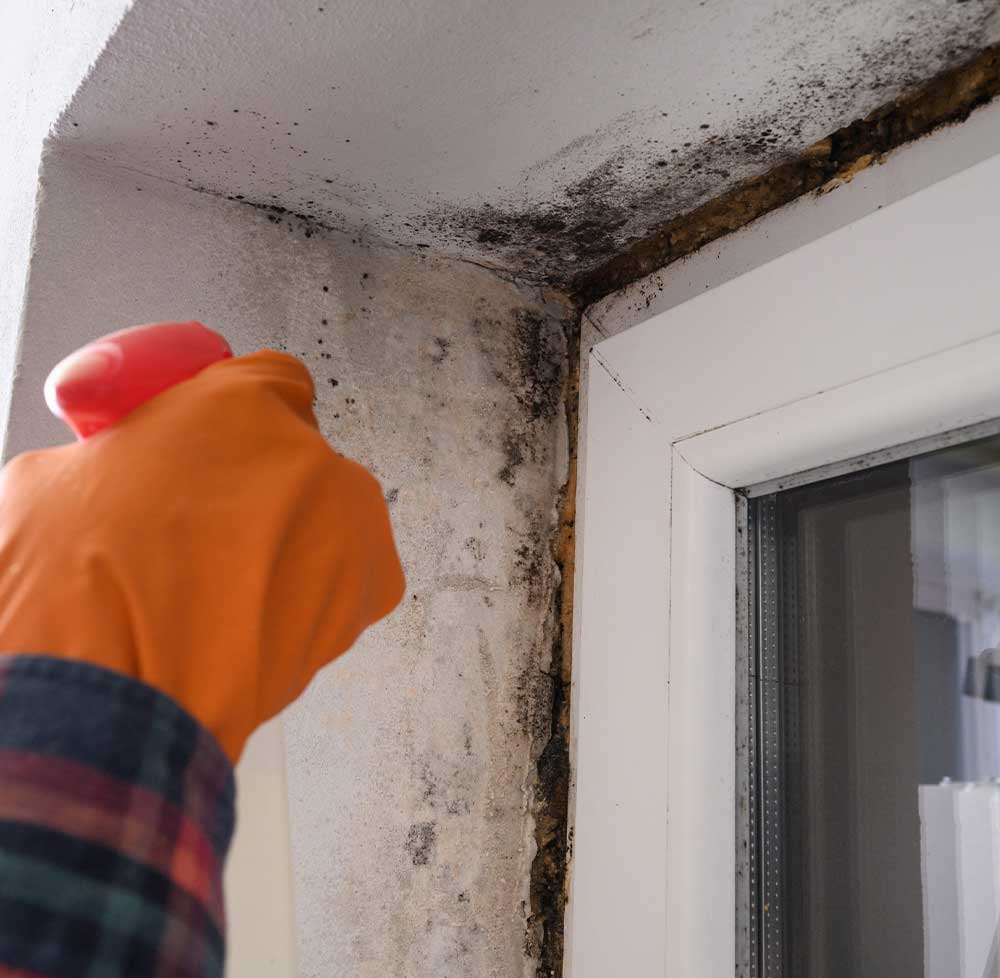
Why Winter Is Prime Time for Mould
Common winter triggers include:
Poor ventilation in bathrooms, kitchens, and change rooms
Leaking roofs, pipes, or windows allowing water ingress
Drying laundry indoors without adequate airflow
Blocked gutters or drainage causing damp to build up
High indoor humidity levels — especially in sealed or poorly insulated spaces
The Real Cost of Mould
Mould is easy to dismiss as a surface problem. It’s not. Left untreated, it can cause:
- Persistent musty odours that are difficult to eliminate
- Structural damage to walls, ceilings, paintwork, and furnishings
- Declining indoor air quality throughout your premises
- Respiratory irritation and allergic reactions, particularly in vulnerable individuals
- Expensive remediation work if moisture issues are left unresolved
For businesses, the stakes are even higher. Visible mould signals neglect to customers and creates an unhealthy environment for staff — both of which carry reputational and legal risk.
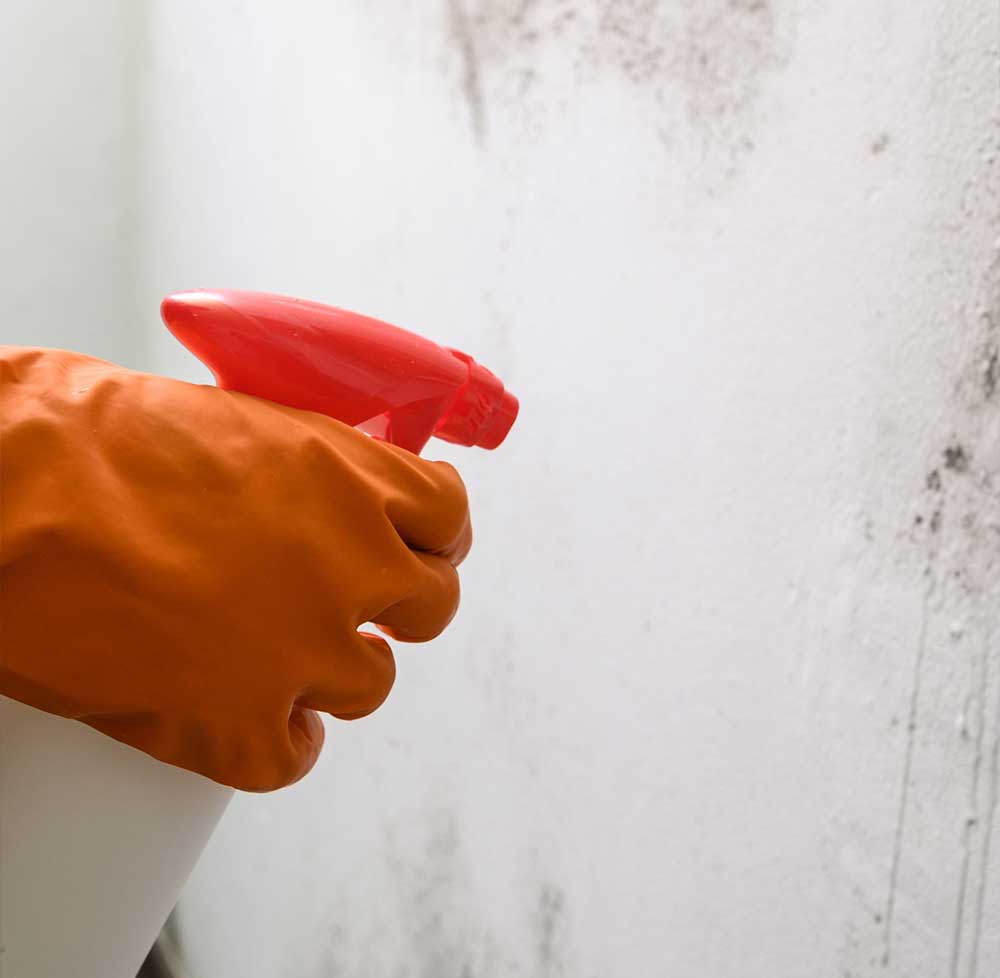
5 Ways to Protect Your Property This Winter
Prioritise ventilation: Use extractor fans consistently in high-moisture areas. Where possible, open windows during the day to allow fresh air to circulate — even briefly in cold weather.
Fix leaks without delay: A minor roof or plumbing leak can quickly create the damp conditions mould needs to spread. Address any water ingress as soon as it’s identified, not when it’s convenient.
Keep humidity in check: Indoor humidity above 60% significantly increases mould risk. Dehumidifiers are a practical solution for poorly ventilated spaces, particularly basements, storage areas, and change rooms.
Wipe down condensation quickly: If moisture appears on windows or walls, dry it promptly. Leaving it sitting — even briefly — gives mould a foothold.
Schedule professional inspections and cleaning: Regular deep cleaning and maintenance checks are one of the most effective ways to catch moisture problems early — before mould has a chance to spread. A professional team will identify contributing factors that are easy to miss.
When DIY Isn’t Enough
If mould keeps returning after cleaning, or if you’re seeing growth across a large area, there’s likely an underlying moisture issue that surface-level treatment won’t fix. Painting over mould or wiping it down without addressing the source is a temporary fix at best.
Professional mould remediation involves safely removing contamination, identifying the root cause, and implementing preventative measures to protect your property long-term.
Keep Your Premises Healthy All Winter
A clean, healthy environment doesn’t happen by chance — it’s the result of consistent care and proactive maintenance. This winter, don’t wait for mould to become a problem before taking action.
At PRO Cleaning Group, we’re The Professionals who Care! Our experienced team delivers tailored cleaning and hygiene solutions for businesses of all types — helping you maintain safe, welcoming, and compliant premises throughout the year.
Ready to protect your property this winter? Contact PRO Cleaning Group today to discuss a cleaning and maintenance plan suited to your needs.